
• Skip to primary navigation
  • Skip to main content
  • Skip to primary sidebar
  • Skip to footer
  • English
  • Français
    • Directory
    • Recruiting
    • Training

    LAM

    Logo Laboratoire d'astronomie de Marseille

    Laboratoire d’Astrophysique de Marseille

    • Laboratory
      • Presentation
      • Directory
      • Organization chart
      • General public
      • Practical information
      • Internal Links
    • Research
      • Galaxies, stars and cosmology
      • Optics & Instrumentation R&D Group
      • Planetary Systems
    • Services
      • Cryogenics and Space Qualification
      • Platform and Infrastructure Logistics
      • Mechanical
      • Optical
      • Quality management system
      • CeSAM: Marseille Astrophysical Data Center
    • Platforms
    • Data Centre
    • Projects
    • LAM Events

    Plato mission : satellite completed, time for testing !

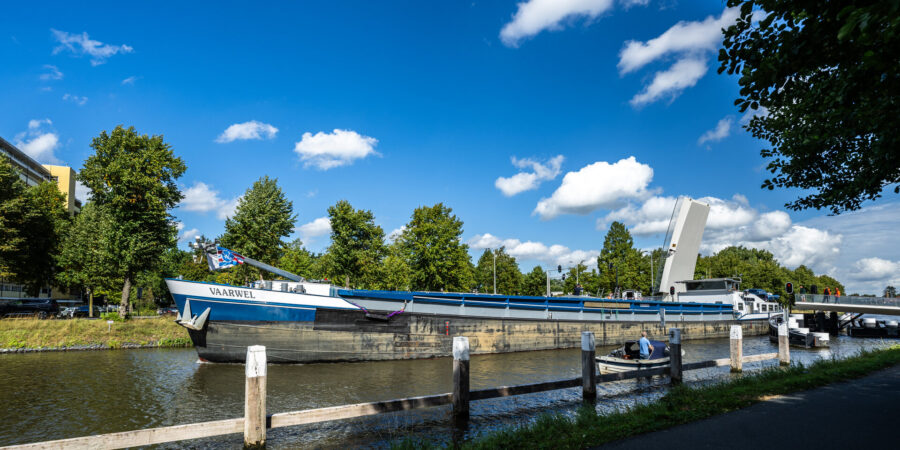
    The two main parts of Plato arrived in the Netherlands by barge on September 1st from Germany, where it left OHB’s clean room, to join ESTEC’s clean room in the Netherlands.

    The assembly of Plato is complete

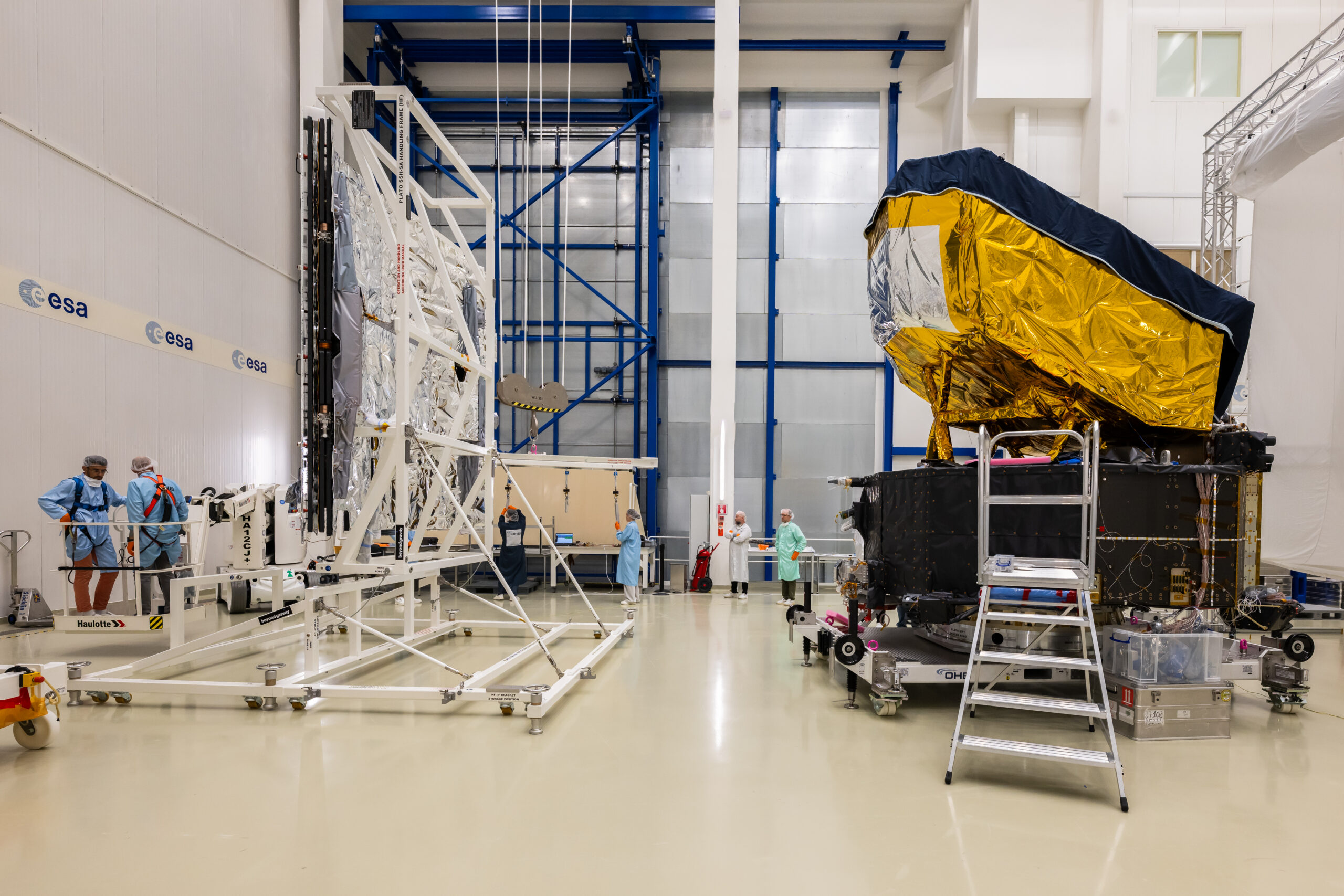
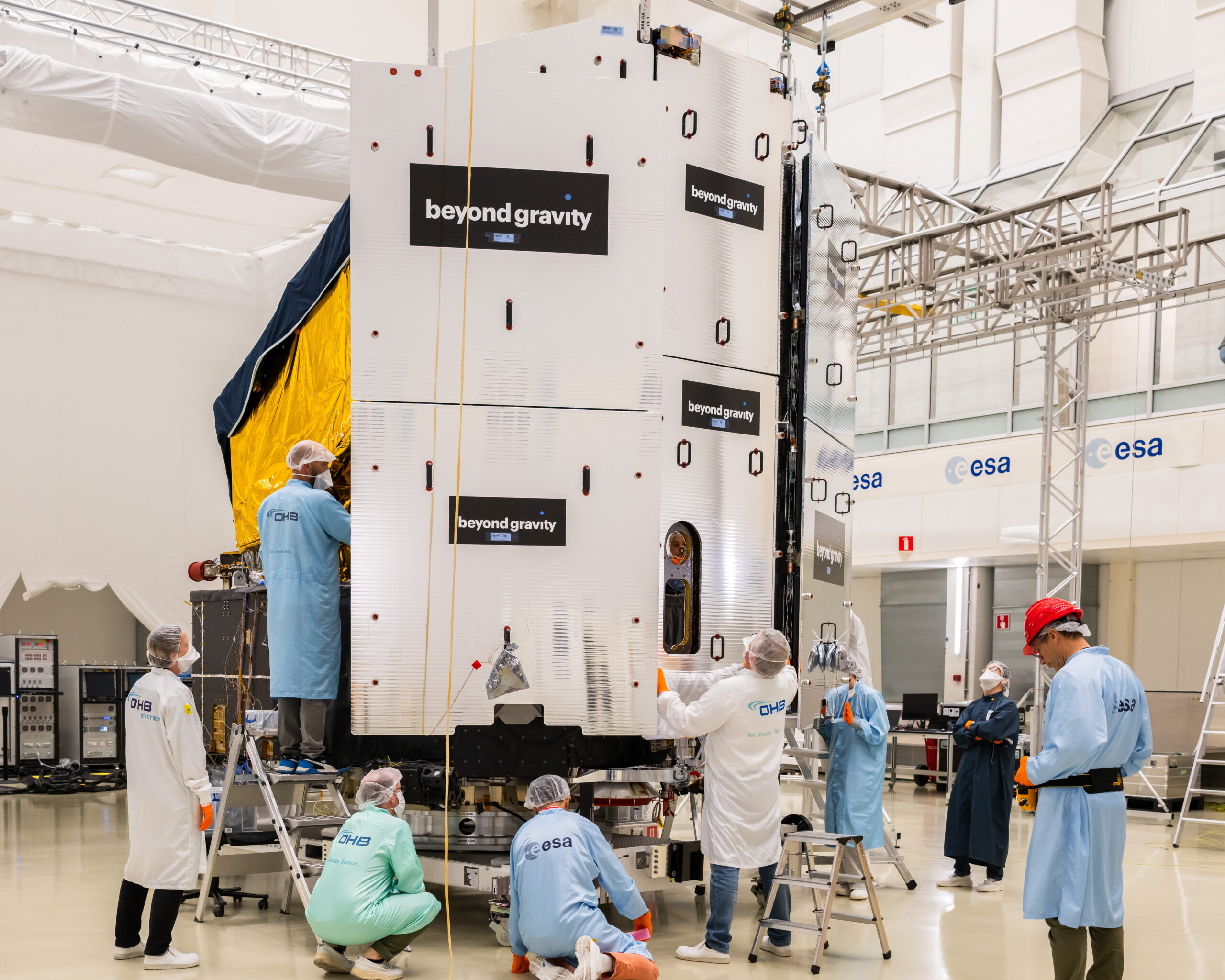
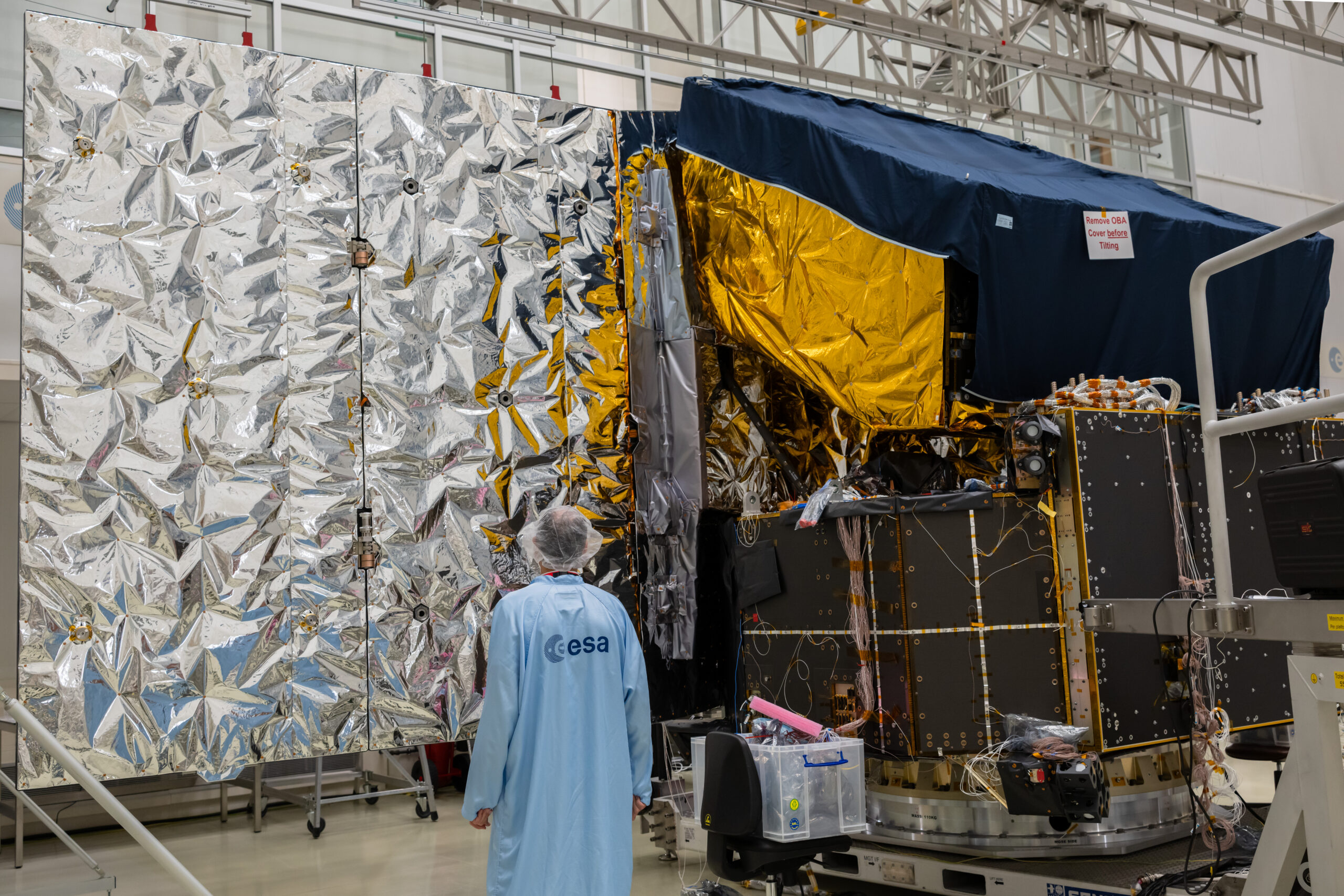
    On September 9th, shortly after its arrival, ESA engineers began installing Plato’s shield and solar panels, suspending them in order to attach them to the service module. They then manoeuvred the suspended solar panels and shield into precise alignment with the rear of the satellite before completing its assembly. These two components are essential to the Plato mission. Once in orbit, the solar panels capture sunlight to generate the electricity needed to power the satellite’s electronic equipment. The shield protects the scientific equipment from sunlight. In particular, the  26 cameras which must be kept at a low temperature of around -80°C throughout the mission.

    See the video, PLATO sprays its wing : https://www.esa.int/ESA_Multimedia/Videos/2025/10/Plato_spreads_its_wings

    Testing begins for Plato at ESA facilities

    In mid-October 2025, the Plato mission satellite is finally assembled and ready to begin its testing campaign. To determine whether it can be launched safely, Plato will be subjected to intense vibrations and extreme sound levels during vibration and acoustic tests. It will then be placed in the Large Space Simulator (the largest vacuum chamber in Europe) to test its resistance to extreme temperatures and vacuum conditions of space.
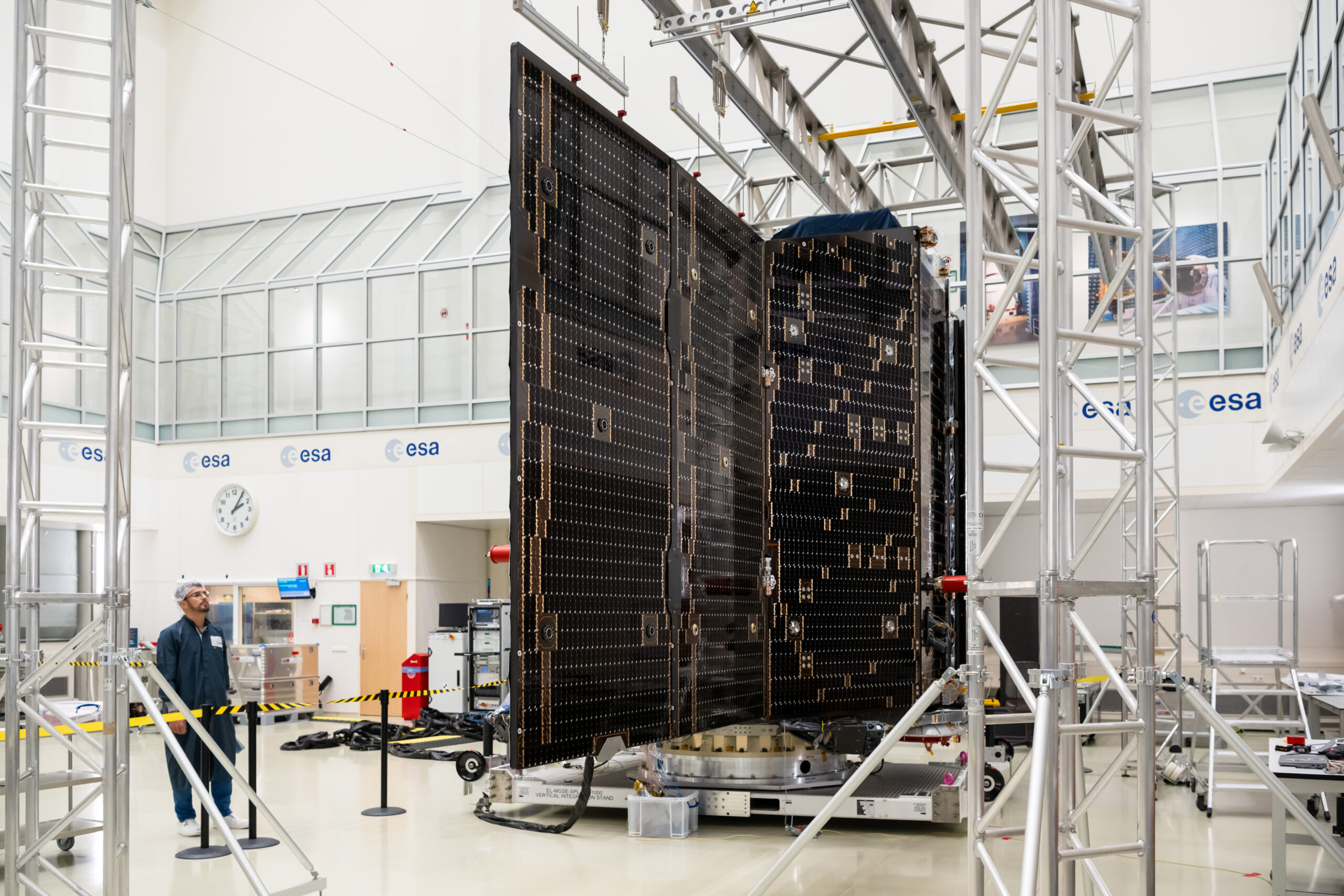
    PLATO déploie ses panneaux solaires (vue de face)
    PLATO déploie ses panneaux solaires (vue de dos)
    Mise en place des panneaux solaires de PLATO
    Assemblage du bouclier et des panneaux solaires sur le satellite PLATO (vue de dos)


    The Plato team at LAM

    At LAM, a team of 20 people, led by Magali Deleuil (scientific manager) and Chrystel Moreau (LAM project manager), is actively involved in preparing the Plato mission. The LAM team is involved in Plato Science Management, the Plato Data Centre, the Mission Steering Committee, and Performance Support.
    The team is working in particular on :
    • Preparatory and Follow-up Database Management (PFU), LAM will collect data to complete the Plato entry catalogue: Y. Roehlly, M. Deleuil, F. Agneray, L. Menou, S. Sulis,
    • The development of Plato product analysis tools (DAST) : C. Moreau, M. Deleuil, A. Turin
    • The development and provision of the exoplanet pipeline module: PlanetPipe, responsible for performing combined transit-radial velocity analysis of future planets, to the Exoplanet Analysis System and building the final mission catalogue : L. Michel-Danzac, T. Wilson, JC. Meunier, Y. Roehlly, N. Michel, S. Hoyer, et S. Grouffal who defended his thesis in September 2025,
    • Infrastructure : T. Fenouillet, JC. Lambert
    • Algorithms for classifying transit events : M. Deleuil, S. Sulis, H. Vivien, J. Baron who began his thesis in October 2025.
    • Participation in the science team for follow-up observation preparation : N. Hara, S. Sulis
    • Communication management for French partners : L. Grau

    Mission launch in December 2026

    The launch of the PLATO telescope is scheduled aboard Ariane 6 in December 2026, heading toward the Lagrange point L2, located 1.5 million kilometers from Earth.
    What is Plato’s objective? With its 26 ultra-sensitive cameras, Plato will observe nearly 200,000 stars simultaneously, aiming to detect exoplanets, particularly terrestrial planets within the habitable zone of their star, using the planetary transit method. It will also measure their parameters with the greatest precision using asteroseismology of host stars and ground-based follow-up observations.


    Primary Sidebar

    Categories

    • Asteroids
    • Aurora
    • Awards
    • Clusters of galaxies
    • Comet
    • Cosmology
    • Exo-planets
    • Galaxies
    • Instrumentation
    • Intergalactic environment
    • Laboratory Life
    • Massive stars
    • Non classé
    • Outreach
    • Prix
    • Solar system
    • Star formation
    • Sursauts Gamma
    • Vie du Laboratoire

    Footer

    Laboratoire d’Astrophysique de Marseille
    UMR7326
    Pôle de l’Étoile Site de Château-Gombert
    38, rue Frédéric Joliot-Curie
    13388 Marseille CEDEX 13 FRANCE
    Copyright © 2025

    Copyright © 2025 · Genesis Framework · WordPress · Log in

    • Site Map
    • Legal Notice
    • Privacy Policy
    • Credits
    • Internal Links
    Gérer le consentement aux cookies
    Pour offrir les meilleures expériences, nous utilisons des technologies telles que les cookies pour stocker et/ou accéder aux informations des appareils. Le fait de consentir à ces technologies nous permettra de traiter des données telles que le comportement de navigation ou les ID uniques sur ce site. Le fait de ne pas consentir ou de retirer son consentement peut avoir un effet négatif sur certaines caractéristiques et fonctions.
    Fonctionnel Always active
    Le stockage ou l’accès technique est strictement nécessaire dans la finalité d’intérêt légitime de permettre l’utilisation d’un service spécifique explicitement demandé par l’abonné ou l’utilisateur, ou dans le seul but d’effectuer la transmission d’une communication sur un réseau de communications électroniques.
    Préférences
    Le stockage ou l’accès technique est nécessaire dans la finalité d’intérêt légitime de stocker des préférences qui ne sont pas demandées par l’abonné ou l’utilisateur.
    Statistiques
    Le stockage ou l’accès technique qui est utilisé exclusivement à des fins statistiques. Le stockage ou l’accès technique qui est utilisé exclusivement dans des finalités statistiques anonymes. En l’absence d’une assignation à comparaître, d’une conformité volontaire de la part de votre fournisseur d’accès à internet ou d’enregistrements supplémentaires provenant d’une tierce partie, les informations stockées ou extraites à cette seule fin ne peuvent généralement pas être utilisées pour vous identifier.
    Marketing
    Le stockage ou l’accès technique est nécessaire pour créer des profils d’utilisateurs afin d’envoyer des publicités, ou pour suivre l’utilisateur sur un site web ou sur plusieurs sites web ayant des finalités marketing similaires.
    Manage options Manage services Manage {vendor_count} vendors Read more about these purposes
    Voir les préférences
    {title} {title} {title}